
Pregnancy brings a lot of changes to your body, and it can sometimes feel overwhelming trying to figure out what you should and should not be doing. One question I hear is whether it is safe to continue exercising during pregnancy, and if so, what kinds of exercise are best.
The good news is that, for most people with an uncomplicated pregnancy, staying active is not only safe but beneficial! You do not have to stop moving just because you are pregnant. Instead, the goal is to find ways to stay active that feel good for your body and support you throughout pregnancy.
Let's go over some general recommendations and ways to keep moving as your body changes.
Why Is Physical Activity Important During Pregnancy?
Physical activity has many benefits during pregnancy, both physically and mentally. Regular movement can help:
Improve cardiovascular fitness and endurance
Support healthy weight gain during pregnancy
Reduce the risk of gestational diabetes and certain high blood pressure complications
Improve sleep and mood
Help you maintain strength for everyday activities
Support your overall health and well-being
Exercise can also help you maintain a connection with your body during a time when so many things are changing. You do not need to be training for a race or lifting heavy weights to experience the benefits. Small amounts of movement throughout the day can make a difference!
How Much Exercise Should You Aim For?
The 2026 UK Chief Medical Officers' physical activity guidelines recommend that pregnant women aim for at least 150 minutes of moderate-intensity physical activity each week, along with muscle-strengthening activities twice per week. These minutes can be spread throughout the week in whatever way works best for you.
What does moderate intensity mean? A good general guide is the talk test. You should be breathing a little harder than usual, but still be able to carry on a conversation.
Some examples of moderate-intensity activity include:
Walking
Swimming or water-based exercise
Prenatal yoga
Cycling on a stationary bike
Dancing
Strength training with appropriate modifications
Everyday activities such as climbing stairs or carrying groceries
You do not need to complete all your activity in one session. A 10- or 15-minute walk still counts! If you are not currently active, start with small amounts and gradually build up. If you were exercising regularly before pregnancy, you can often continue your routine with adjustments as needed.
Remember, some activity is better than none. The goal is not perfection, but finding ways to move consistently throughout pregnancy.
Do You Need to Stop Strength Training?
This is a common concern, especially for women who enjoy lifting weights. In most uncomplicated pregnancies, strength training can remain part of your routine. Maintaining strength can help with everyday tasks, changing body mechanics, and the physical demands of pregnancy and caring for a baby.
That does not mean every exercise needs to stay exactly the same. As your pregnancy progresses, you may need to modify your weights, repetitions, positions, or breathing strategy.
A few things to consider:
Focus on good technique. Choose a level of resistance that allows you to maintain control throughout the movement.
Keep breathing. Avoid prolonged breath-holding or straining, and exhale during the more challenging portion of an exercise.
Modify when needed. Your balance, comfort, and ability to tolerate certain positions may change as your belly grows.
Pay attention to symptoms. Pelvic heaviness, leaking urine, pain, or a feeling of pressure are signs to reassess how you are moving and whether you need additional guidance.
If you were not strength training before pregnancy, you can still often begin with appropriate, gradual activity. However, it is best to avoid suddenly starting a vigorous exercise program without guidance from your healthcare provider.
What About Your Pelvic Floor?
Your pelvic floor muscles play an important role during pregnancy. They help support your pelvic organs, contribute to bladder and bowel control, and work with your abdominal muscles and diaphragm to manage pressure through your trunk.
As your baby grows, these muscles experience increasing demands. This does not mean you should avoid exercise or that pelvic floor problems are inevitable. It does mean that learning how to coordinate your breathing, abdominal muscles, and pelvic floor can be helpful.
Pelvic floor exercises may be appropriate during pregnancy, but they are not simply about squeezing as hard as possible. Your pelvic floor also needs to relax and lengthen. For some women, difficulty relaxing these muscles is just as important as difficulty contracting them.
If you are experiencing urinary leakage, pelvic pain, pain with intercourse, constipation, or a feeling of heaviness or pressure in your pelvis, consider reaching out to a pelvic health physical therapist. These symptoms are common, but that does not mean you have to ignore them or simply wait until after delivery to get help.
How Should Exercise Change as Your Pregnancy Progresses?
There is no single exercise routine that works for every pregnant woman. What feels comfortable in the first trimester may feel very different later in pregnancy, and that is completely normal.
You may need to adjust your routine based on your energy levels, balance, joint comfort, breathing, and the way your body responds to exercise.
A few general considerations:
First trimester: Fatigue and nausea can make exercise more challenging. Give yourself permission to reduce the intensity or duration on days when you are not feeling your best.
Second trimester: As your belly grows and your center of gravity changes, you may need to adjust your balance, exercise positions, and movements that no longer feel comfortable.
Third trimester: You may prefer shorter sessions, lighter resistance, more rest breaks, or lower-impact activities. Focus on maintaining comfortable movement rather than pushing through discomfort.
Avoid activities with a high risk of falling or abdominal impact, and take care in hot environments. If an exercise causes pain, dizziness, unusual shortness of breath, pelvic pressure, or other concerning symptoms, stop and reassess rather than pushing through.
When Should You Check With Your Healthcare Provider?
Although physical activity is safe and beneficial for most pregnancies, certain medical or pregnancy-related conditions may require specific restrictions or modifications. Talk with your obstetric provider about what is appropriate for you, particularly if your pregnancy is considered high risk or you have been advised to limit activity.
Stop exercising and seek medical advice if you experience warning signs such as vaginal bleeding, fluid leaking from the vagina, regular painful contractions, chest pain, dizziness or fainting, shortness of breath before exertion, or calf pain or swelling. Seek urgent care for severe or concerning symptoms.
Your individual medical history and pregnancy matter, so recommendations should always be tailored to you.
You Do Not Have to Figure It All Out on Your Own
Pregnancy is a time of significant change, and knowing how to exercise safely can feel confusing. You may be wondering whether you are doing enough, whether you should modify your workouts, or how to manage symptoms that come up along the way.
A pelvic health physical therapist can help you understand how your body is adapting, address symptoms, and develop an individualized exercise plan that supports your goals throughout pregnancy.
At Solstice Physical Therapy + Wellness, we believe movement should help you feel stronger and more confident in your body, not leave you feeling worried about what you can and cannot do.
You do not have to stop being active because you are pregnant. You may simply need to move differently as your body changes.
Visit solsticeptwellness.com to learn more about pelvic health physical therapy and how we can support you during pregnancy and beyond.
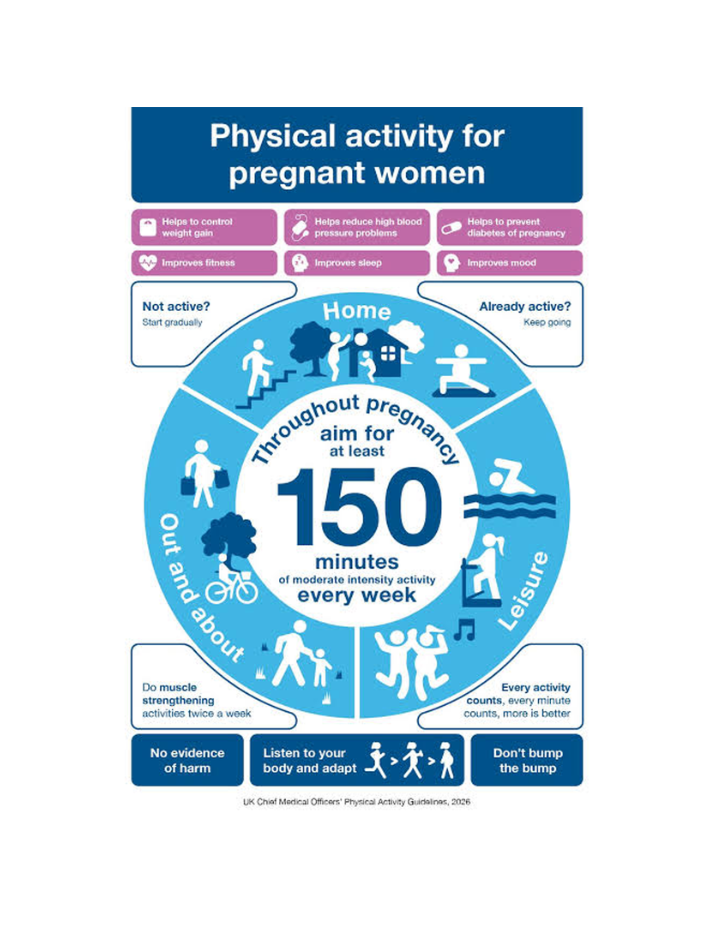
Department of Health and Social Care. (2026, July 10). Physical activity for pregnant women (text of the infographic). GOV.UK. https://www.gov.uk/government/publications/physical-activity-guidelines-pregnancy-and-after-childbirth/physical-activity-for-pregnant-women-text-of-the-infographic
